
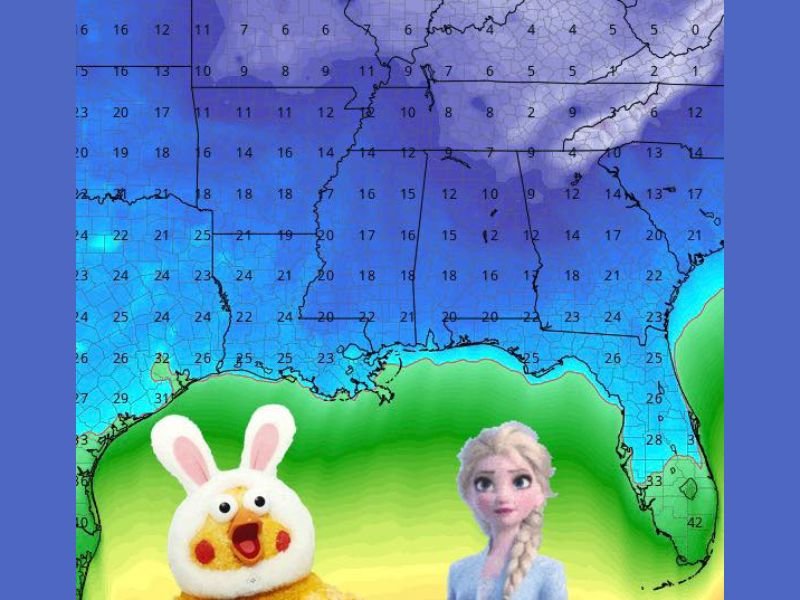
Gulf Coast States Including Texas, Louisiana, Mississippi, Alabama and Florida Expected to Face Rare Arctic Freeze with Temperatures Plunging into Teens by Mid-December
TEXAS — A powerful Arctic air mass is expected to plunge deep into the southern United States by December 15, bringing a rare early-season freeze to Texas, Louisiana, Mississippi, Alabama, and Florida. Forecast models show temperatures falling into the teens and low 20s, marking one of the coldest December outbreaks in recent memory across the Gulf Coast region.
A Rare December Freeze Heads South
Meteorologists say an unusually strong polar jet stream will dip far south next week, funneling frigid air straight from the Arctic into the Deep South. The result could be temperature drops of 20 to 30 degrees below average, creating freezing conditions even in coastal areas that typically stay mild through December. Cities such as Houston, New Orleans, Mobile, and Tallahassee could wake up to frost or near-freezing mornings as the front sweeps through.
Forecasters warn that this system’s strength and reach make it one of the earliest Arctic intrusions seen in years. The cold blast may rival events like the 2021 Texas freeze, though with less severity expected. Still, the rapid onset of this deep chill could disrupt travel, affect crops, and put strain on regional energy supplies as heating demand spikes across the Gulf states.
Impact on Southern States
Residents throughout the Gulf Coast are being urged to protect pets, pipes, and plants ahead of the mid-December cold snap. Agricultural operations in southern Louisiana and coastal Alabama are particularly vulnerable, as temperatures in the upper teens and low 20s could damage sensitive crops and pose challenges for livestock. Local officials are also encouraging homeowners to insulate outdoor water lines and check heating systems before the coldest air arrives.
With the freeze expected just before the busy holiday travel period, transportation crews are preparing for potential ice formation on bridges and highways. States across the Southeast plan to pre-treat major routes in advance, while power providers closely monitor grid stability. The rare timing of this cold spell underscores how winter weather can reach far beyond its usual northern boundaries.
Effects Reaching the Midwest
While the Gulf Coast will see the most dramatic temperature drop, the Midwest and Great Lakes region, including Illinois, will remain locked in a persistent cold pattern. In Naperville, daily highs may hover in the 20s, with biting wind chills and limited warming during the day. This prolonged cold will add to the winter’s intensity across much of the central United States.
Meteorologists are also tracking the potential for a storm system to develop along the Gulf, which could bring snow or wintry mix to parts of the Midwest later in December. If conditions align, this Arctic air could set the stage for a broader pattern of winter storms heading into Christmas week, reinforcing the deep freeze across several states.
Preparation and Safety Steps
Officials in southern states are advising residents to begin winter preparations now. Simple steps such as covering outdoor faucets, wrapping exposed pipes, and bringing pets indoors can prevent costly damage and ensure safety during the coldest nights. Local emergency agencies recommend keeping an emergency kit ready, including blankets, flashlights, and bottled water, especially for those traveling during the freeze period.
Residents should also stay alert for updates from the National Weather Service and local meteorologists as the system develops. Even slight shifts in the forecast could determine which areas experience the coldest air or the greatest risk of ice. Staying informed and prepared will be key as this Arctic blast pushes southward, marking one of the earliest and most widespread December cold events in recent years.
For continuing coverage, safety tips, and local weather updates, visit NapervilleLocal.com for the latest information and community alerts.

I’ve lived in Naperville long enough to see how quickly our community changes — from new developments downtown to sudden shifts in our Midwest weather. Reporting on Naperville news and daily forecasts gives me the chance to keep neighbors informed about what really matters. My goal is simple: deliver clear, timely updates so you always know what’s happening in our city and what to expect from the skies above.