
Arctic Air to Slam Into Texas, Alabama, and Gulf Coast States Bringing Deep Freeze Across the U.S.
UNITED STATES — A strong surge of Arctic air is set to push deep into the Central and Eastern United States, marking the coldest outbreak of the season and driving freezing temperatures all the way to the Gulf Coast, including Texas, Alabama, Mississippi, and Florida’s Panhandle.
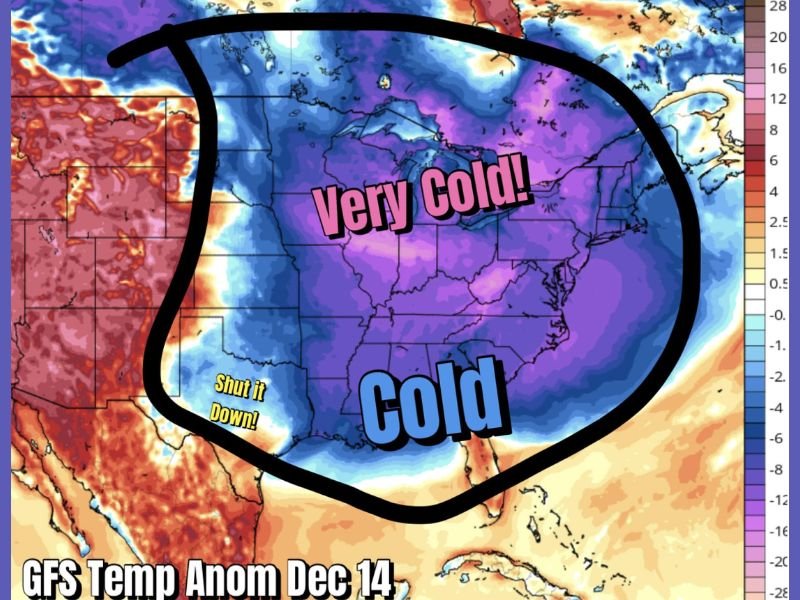
Meteorologists are tracking what they describe as a powerful polar plunge, expected to arrive this weekend and linger into early next week, with some areas experiencing temperatures 20 to 30 degrees below normal for mid-December.
Major Cold Front to Sweep the Nation
Forecast models show a dramatic temperature drop by Saturday, December 14, with an expansive zone of below-average temperatures spreading from the Midwest and Great Lakes to the Deep South.
States such as Illinois, Missouri, Tennessee, and Georgia are expected to see highs barely climbing above freezing, while regions further south — including Houston, Mobile, and Pensacola — could see overnight lows dipping into the 20s and low 30s.
The Arctic front will deliver a sharp contrast between the mild West and the frozen East, as a powerful high-pressure system drives frigid air straight from Canada into the U.S. heartland.
Winter’s Grip Expands Across the South
The incoming Arctic blast will mark a major pattern shift across the country, signaling the firm arrival of winter. Alabama and the Gulf Coast are expected to experience the brunt of this temperature drop over the weekend, with frost and hard freezes likely by Sunday morning.
The National Weather Service cautions that wind chills could drop into the single digits or below zero in parts of the Midwest and Tennessee Valley, while more southern regions will face frost advisories and freeze warnings.
Limited Snow but Widespread Freeze Risks
Snowfall will remain confined mostly to the Upper Midwest and Great Lakes, but the deep cold will stretch southward without much moisture. That means while southern states like Texas, Alabama, and Florida’s Panhandle are unlikely to see snow, they will still endure dangerous cold conditions, especially during the early morning hours.
Meteorologists warn that the cold snap could cause pipe bursts, damage to unprotected vegetation, and pose risks to livestock and outdoor pets.
How to Prepare for the Arctic Blast
Residents across the affected regions should take steps to protect themselves and their property ahead of the plunge:
- Wrap or insulate exposed pipes and outdoor faucets.
- Cover sensitive plants or bring them indoors where possible.
- Check on elderly neighbors and ensure pets are sheltered.
- Avoid long outdoor exposure during peak cold hours to prevent frostbite or hypothermia.
While temperatures are expected to moderate slightly by midweek, forecasters caution that this could be the start of a recurring cold pattern lasting into late December.
As winter tightens its grip on the South and Midwest, residents are urged to stay alert for updated advisories and safety information through NapervilleLocal.com.
I’ve lived in Naperville long enough to see how quickly our community changes — from new developments downtown to sudden shifts in our Midwest weather. Reporting on Naperville news and daily forecasts gives me the chance to keep neighbors informed about what really matters. My goal is simple: deliver clear, timely updates so you always know what’s happening in our city and what to expect from the skies above.