
More Than 875,000 Without Power as Winter Storm Blackouts Stretch 1,500 Miles Across the United States
UNITED STATES — A massive winter storm has triggered widespread power outages affecting more than 875,000 people, with blackout impacts now stretching over 1,500 miles across the country, highlighting severe strain on the U.S. power grid as extreme weather hits multiple regions at once.
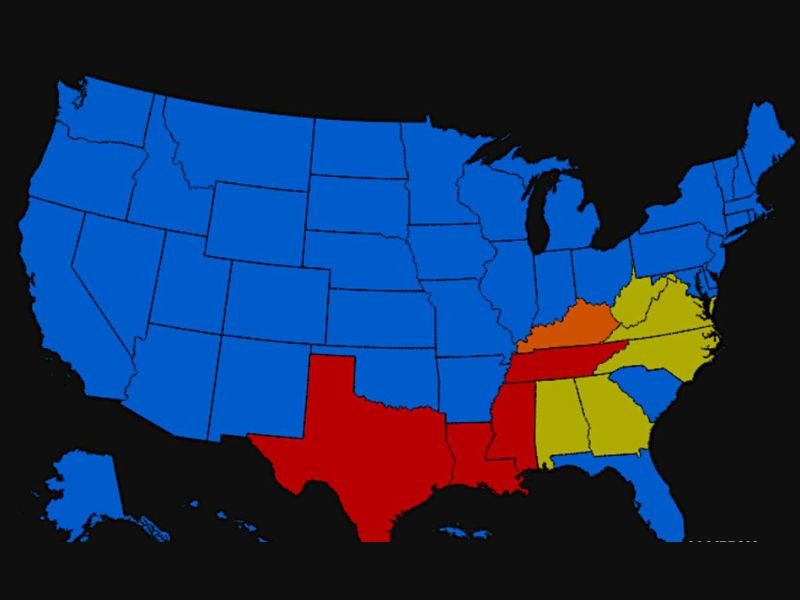
Utility disruption maps show outages spanning from parts of the South and Southeast into portions of the Midwest and central U.S., underscoring how the storm is stressing infrastructure far beyond a single state or utility network.
Why the Outages Are So Widespread
Energy experts note that outages of this scale usually signal compound grid stress, not a single failure point.
This storm is delivering multiple simultaneous threats, including ice accumulation, extreme cold, strong winds, and sustained high electricity demand. Together, these factors don’t just knock out power — they slow repairs, damage equipment, and complicate restoration efforts.
When systems are hit from several directions at once, utilities lose the ability to “reset” portions of the grid, allowing outages to cascade and persist longer.
Regions Seeing the Greatest Grid Stress
Based on outage patterns and storm coverage, the most intense impacts are being reported across:
- Parts of the South and Deep South, where ice and freezing rain are weighing down power lines
- Sections of the Southeast, where demand surged after rapid temperature drops
- Central and southern interior states, where prolonged cold has pushed systems to their limits
Even areas outside the hardest-hit zones are seeing secondary strain, as interconnected grid systems absorb shifting power demand.
Why Restoration Is Taking Longer Than Normal
Officials warn that restoration timelines may be extended, especially where ice loading remains severe.
Key challenges include:
- Heavily iced lines and poles, making repairs dangerous
- Ongoing wind, which can cause new outages as crews work
- Extreme cold, slowing equipment performance and crew operations
- High overnight demand, reducing the margin for bringing systems back online
Utilities typically rely on weather lulls to accelerate repairs, but this storm has offered few breaks.
What Residents Should Prepare For
Residents in affected regions are urged to stay prepared for extended outages, particularly overnight when temperatures plunge.
Important precautions include keeping devices charged, limiting unnecessary power use, checking on vulnerable neighbors, and using generators safely to avoid carbon monoxide risks. Officials emphasize that even after power is restored, additional outages remain possible until weather conditions fully stabilize.
A Warning Sign for Future Storms
The scale of this blackout footprint is being viewed as a sobering reminder of how vulnerable infrastructure becomes during prolonged, multi-hazard winter events. With extreme weather patterns becoming more frequent, experts say similar grid stress scenarios may occur again.
If you’re currently experiencing power outages or unusual conditions in your area, share what you’re seeing and stay informed with continued regional coverage from NapervilleLocal.com, where we track how national events impact local communities.

I’ve lived in Naperville long enough to see how quickly our community changes — from new developments downtown to sudden shifts in our Midwest weather. Reporting on Naperville news and daily forecasts gives me the chance to keep neighbors informed about what really matters. My goal is simple: deliver clear, timely updates so you always know what’s happening in our city and what to expect from the skies above.