
Heavy Snow Squalls Slam Colorado’s I-70 Corridor, Causing Rapid Accumulation, Near-Zero Visibility, and Hazardous Travel
WINTER PARK, COLORADO – A burst of intense snow showers and snow squalls moved into Colorado’s Interstate 70 corridor, sharply deteriorating driving conditions and reducing visibility to dangerous levels, according to real-time observations from the area.
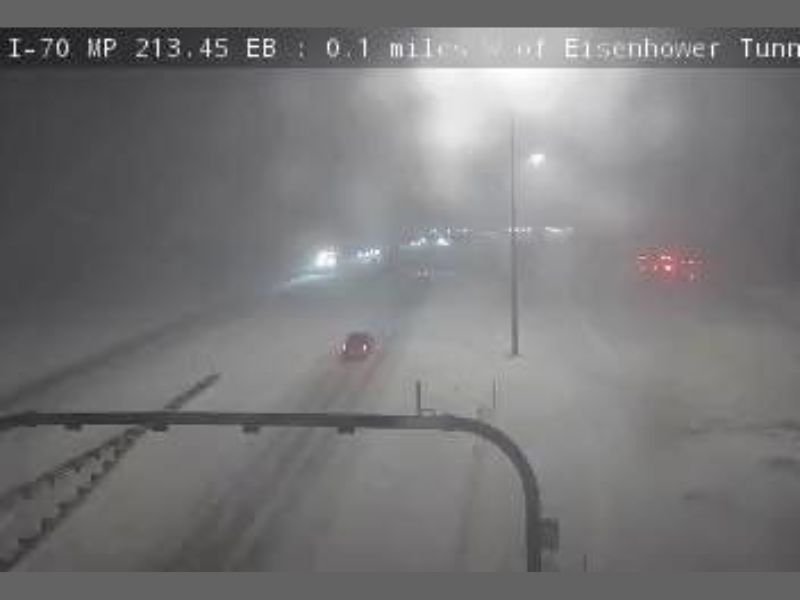
In Winter Park, observers reported around two inches of snow falling in just 45 minutes, a rate strong enough to quickly overwhelm road conditions. Traffic camera footage from I-70 near the Eisenhower Tunnel shows vehicles navigating through heavy snowfall, blowing snow, and very limited visibility, highlighting the rapid onset of winter hazards.
Rapid Snowfall Creates Sudden Travel Dangers
Snow squalls are particularly dangerous because they can develop quickly with little warning, dumping snow at intense rates and dramatically reducing visibility in minutes. Conditions along I-70 deteriorated fast as the snow moved in, turning previously manageable roads into snow-covered and slick travel lanes.
Visibility dropped sharply, making it difficult for drivers to see vehicles ahead, lane markings, or changing traffic conditions. These sudden changes increase the risk of chain-reaction crashes, especially in mountain corridors where traffic volume and elevation already add complexity.
I-70 Corridor Heavily Impacted
The I-70 mountain corridor, including areas near Winter Park and the Eisenhower Tunnel, is especially vulnerable during fast-moving snow bursts. Elevation, terrain, and strong winds can combine to create whiteout-like conditions, even when storms are relatively short-lived.
Traffic cameras showed snow rapidly covering road surfaces, with tire tracks filling back in almost immediately. Vehicles appeared to slow significantly, a clear sign of hazardous driving conditions and limited traction.
Why Snow Squalls Are So Dangerous
Unlike long-duration winter storms, snow squalls often strike suddenly, catching drivers off guard. The combination of intense snowfall rates, blowing snow, and abrupt visibility loss can lead to:
- Sudden braking and traffic slowdowns
- Loss of vehicle control on untreated pavement
- Increased risk of multi-vehicle accidents
Even experienced mountain drivers can struggle when snow accumulates this quickly.
What Drivers Should Keep in Mind
When snow squalls impact major highways like I-70, officials urge motorists to slow down immediately, increase following distance, and avoid sudden lane changes or braking. If possible, delaying travel until conditions improve is the safest option.
NapervilleLocal.com will continue monitoring significant weather events across the country and provide updates as conditions evolve, especially when storms create widespread travel hazards or rapid changes that drivers need to know about.

I’ve lived in Naperville long enough to see how quickly our community changes — from new developments downtown to sudden shifts in our Midwest weather. Reporting on Naperville news and daily forecasts gives me the chance to keep neighbors informed about what really matters. My goal is simple: deliver clear, timely updates so you always know what’s happening in our city and what to expect from the skies above.