
Mackinac Bridge Shuts Down to Whiteout Conditions as High Winds Force Vehicle Escorts Across Northern Michigan
MACKINAC BRIDGE, MICHIGAN — Dangerous whiteout conditions have developed early this morning across the Mackinac Bridge, where blowing snow and powerful winds are severely reducing visibility and forcing officials to escort high-profile vehicles across the span.
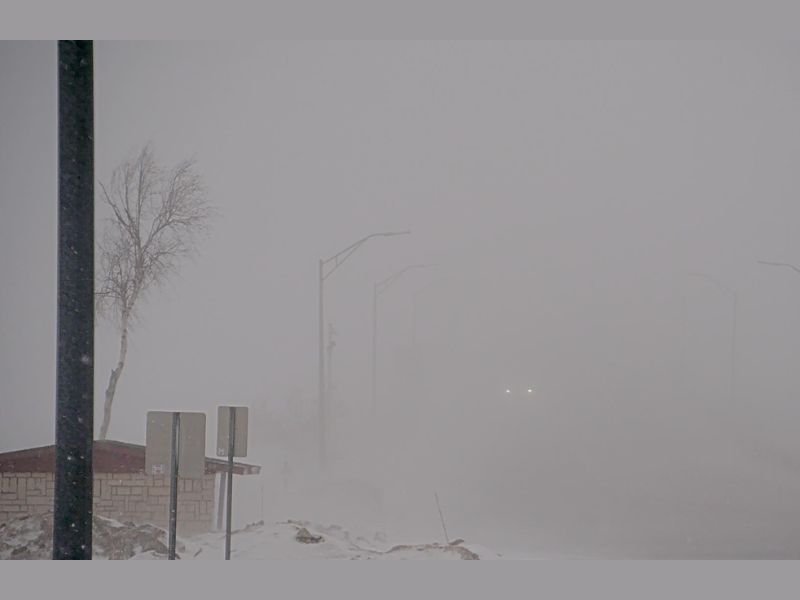
A live image timestamped 8:00 a.m. on February 18, 2026, shows near-zero visibility along the bridge corridor. Snow is being whipped across the roadway, creating a wall of white that nearly obscures approaching headlights.
Whiteout Conditions Creating Hazardous Travel
The camera view from the bridge authority shows visibility reduced to just a short distance ahead. Snow appears to be blowing horizontally at times, a clear sign of strong crosswinds moving over the Straits of Mackinac.
In these conditions:
- Lane markings become difficult to see
- Depth perception is severely limited
- Sudden gusts can push vehicles off track
- Ice formation becomes harder to detect
Even experienced drivers can struggle when wind-driven snow creates sudden whiteout bursts.
High-Profile Vehicles Being Escorted
Due to the strength of the winds, officials are escorting high-profile vehicles across the bridge.
High-profile vehicles typically include:
- Semi-trucks
- Box trucks
- RVs
- Vehicles towing trailers
These vehicles are especially vulnerable to strong crosswinds on the Mackinac Bridge, which spans nearly five miles across open water between Lake Michigan and Lake Huron. With no terrain to block the wind, gusts can hit with full force.
Escorts help reduce speed and maintain tighter control while crossing the bridge.
Why the Mackinac Bridge Is Especially Vulnerable
The Mackinac Bridge sits in one of the windiest corridors in the Great Lakes region. During winter storms, cold air sweeping across the lakes can produce intense snow squalls and rapid visibility drops.
Blowing snow can be just as dangerous as falling snow. Even if snowfall rates decrease, strong winds can continue to lift loose snow from the roadway and surrounding areas, sustaining whiteout conditions for hours.
Broader Northern Michigan Impacts
While the most dramatic conditions are occurring on the bridge itself, surrounding northern Michigan areas are also dealing with:
- Blowing and drifting snow
- Wind gusts capable of exceeding 35 mph
- Rapid changes in visibility
- Icy road conditions
Travel conditions can vary dramatically over short distances, especially near the lakeshores.
What Drivers Should Know
Anyone planning to cross the Mackinac Bridge today should:
- Check bridge authority updates before traveling
- Prepare for delays due to vehicle escorts
- Reduce speed well before entering the span
- Keep headlights on at all times
- Avoid sudden steering corrections during wind gusts
If conditions worsen further, temporary restrictions or closures could be implemented.
For continued updates on major winter travel impacts across the Midwest and how shifting Great Lakes weather patterns could influence Illinois conditions, stay connected with NapervilleLocal.com.

Naperville is a community with stories that deserve to be told — both the serious ones about safety and justice, and the lighter ones that capture our culture and daily life. I focus on covering crime reports and court updates while also highlighting the traditions, events, and social trends that shape who we are. Through my reporting, I want to give readers a fuller picture of Naperville — the challenges we face and the character that keeps our city strong.