
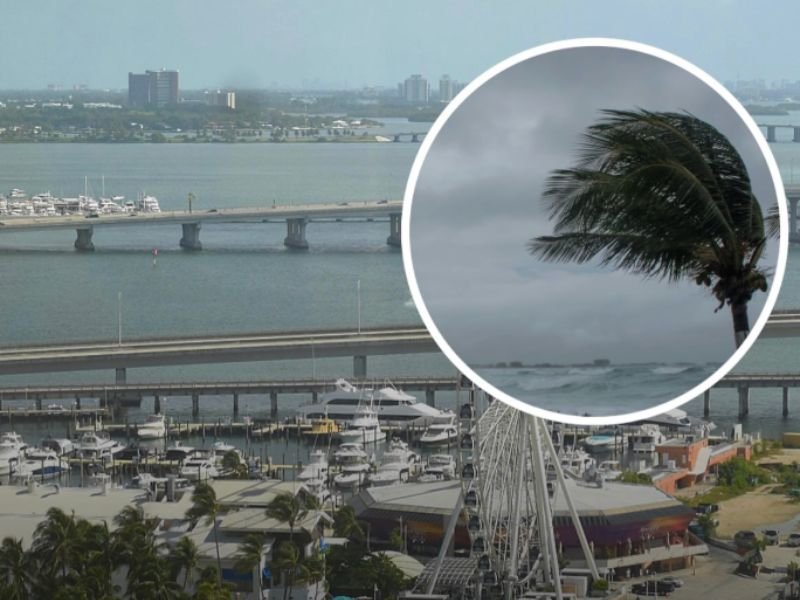
Miami Hits 35°F on Feb. 1, 2026 as Rare Arctic Blast Brings Coldest Morning in Over a Decade
FLORIDA — Miami recorded a low of 35°F (1.6°C) on February 1, 2026, a rare cold snap that marked the city’s coldest temperature in more than a decade, according to details shared in the provided report. For a region better known for palm trees, beaches, and humid nights, the sudden plunge briefly reshaped the city’s winter identity—turning a typical South Florida morning into something that felt closer to a deep-season cold outbreak.
The report indicates the sharp chill was driven by an intense Arctic air mass pushing unusually far south, setting up conditions that did more than lower temperatures. Along with the near-freezing low, the system reportedly brought strong winds, rough seas, and wind chills that made it feel even colder than the thermometer suggested across parts of the metro area.
What happened in Miami on February 1
The key figure from the data is the overnight low: 35°F, logged on Feb. 1, 2026. The report describes the temperature as the coldest reading in over a decade, a threshold that matters because it signals the event wasn’t just a routine cool-down—it was a standout cold morning by Miami standards.
Miami’s coastal location often moderates extreme cold, which is why a mid-30s reading stands out. Even a small drop below 40°F can feel dramatic for residents accustomed to warmer winters, but mid-30s temperatures combined with wind can sharply increase cold stress, especially during early morning hours.
What caused the unusually cold snap
According to the details provided, the cold was linked to an intense Arctic air mass that pushed deep into South Florida. The report emphasizes that the outbreak didn’t arrive quietly. It came with unusually strong winds and rough seas, suggesting a forceful surge of colder, drier air moving into the region.
That wind element matters because it affects how cold conditions are experienced at street level. Even if air temperatures hover in the 30s, wind chills can create a harsher feel—especially near open water, exposed causeways, and higher-elevation structures where wind can accelerate.
Why this kind of cold is a big deal in South Florida
The report describes this type of cold as highly uncommon for Miami, and the impact is often less about snow or ice and more about how unprepared a warm-weather city can be for near-freezing temperatures. In events like this, residents typically notice the cold most during the pre-dawn hours, and the effects can ripple into outdoor work, early commuting, and waterfront conditions.
The report suggests the cold snap briefly transformed Miami into “a very different kind of winter city,” reflecting how a single Arctic push can shift the region’s atmosphere overnight.
Did you feel this cold snap, or was this the chilliest Miami morning you can remember? Share your experience and keep following NapervilleLocal.com for weather updates that track extreme cold, unusual patterns, and what they mean for communities across the country.

I’ve lived in Naperville long enough to see how quickly our community changes — from new developments downtown to sudden shifts in our Midwest weather. Reporting on Naperville news and daily forecasts gives me the chance to keep neighbors informed about what really matters. My goal is simple: deliver clear, timely updates so you always know what’s happening in our city and what to expect from the skies above.