
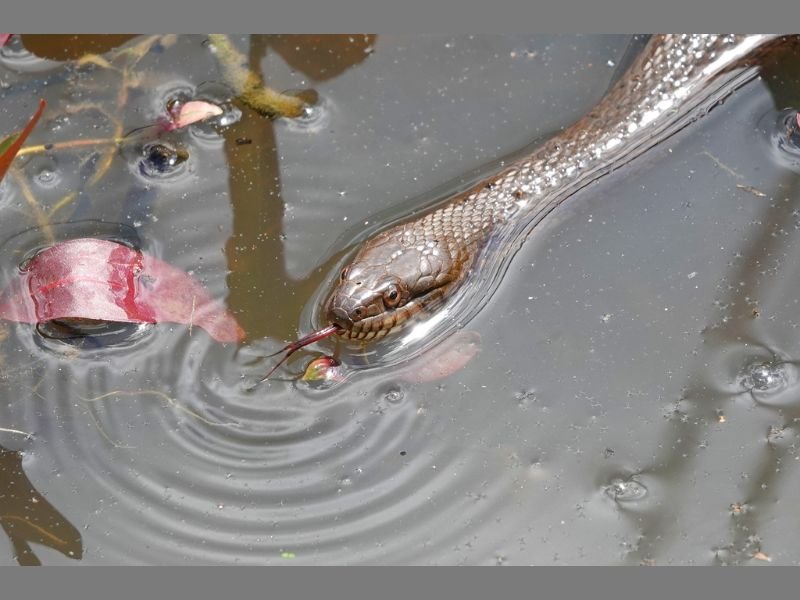
Northern Water Snake Season Now Active Across Eastern and Central North America as Rising Temperatures Bring These Nonvenomous Reptiles Out of Winter Dens
EASTERN AND CENTRAL NORTH AMERICA — The northern water snake, a nonvenomous reptile common across freshwater habitats throughout eastern and central North America, is now actively emerging from winter denning sites as temperatures rise across the region. These reptiles are returning to ponds, rivers, lakes, and wetland areas in search of mates as the warm season gets fully underway.
Northern Water Snake Emerging From Winter Dens as Warm Season Gets Underway
As temperatures climb across eastern and central North America, northern water snakes are leaving their winter denning sites and becoming increasingly active near freshwater environments. This seasonal emergence is a normal and expected part of the species’ annual cycle and signals the arrival of warmer conditions across the region.
These snakes are commonly spotted near ponds, streams, rivers, marshes, and lake edges where they hunt for fish, frogs, and other aquatic prey. Residents living near or recreating around freshwater areas should expect a higher likelihood of encounters with this species through the spring and summer months.
Nonvenomous Species Frequently Misidentified but Poses No Venom Risk to Humans
The northern water snake is entirely nonvenomous and poses no venom threat to people despite being frequently misidentified as a dangerous species. Their patterned and sometimes aggressive defensive posture when cornered can lead to confusion with venomous water moccasins, but the two species are distinct and different.
Understanding the difference between these snakes is important for anyone spending time near freshwater habitats across the region. The safest and most responsible approach when encountering a northern water snake is to observe from a distance and leave the animal undisturbed in its natural environment.
Females to Give Birth to Live Litters of 20 to 25 Young in Late Summer
Northern water snakes are live-bearing reptiles, with females giving birth to litters of 20 to 25 young during the late summer months. This reproductive strategy means that population numbers can remain strong across suitable freshwater habitats throughout eastern and central North America.
The arrival of juvenile snakes near freshwater areas later in the season will further increase the chances of sightings for residents and outdoor enthusiasts. Recognizing these young snakes as nonvenomous northern water snakes rather than reacting with alarm is an important part of coexisting with local wildlife during the active warm season months. Stay with NapervilleLocal.com for the latest weather updates and local forecast coverage.

I’ve lived in Naperville long enough to see how quickly our community changes — from new developments downtown to sudden shifts in our Midwest weather. Reporting on Naperville news and daily forecasts gives me the chance to keep neighbors informed about what really matters. My goal is simple: deliver clear, timely updates so you always know what’s happening in our city and what to expect from the skies above.