

Largest Bear Ever Caught in Nebraska — And Why It Was Such a Rare Find
LINCOLN, NEBRASKA — When most people think of Nebraska, they picture cornfields, football, and wide-open plains — not bears. But the Cornhusker State once had a thriving bear population, and one historic capture in 2008 reignited curiosity about these long-gone giants.
A Century Without Bears — Until 2008
Nebraska has no official record for the largest bear ever caught, but the most recent confirmed sighting marked a milestone in state wildlife history. On May 12, 2008, a rancher north of Harrison in Sioux County called the Nebraska Game and Parks Commission (NGPC) after discovering a bear trapped in his barn.
Wildlife agents arrived to find a cinnamon-colored American black bear weighing around 90 pounds. Believed to be about 15 to 16 months old, the young bear showed no fear of humans — leading officials to euthanize it for public safety.
NGPC officers said the animal most likely wandered in from Wyoming, as no established bear populations exist in Nebraska. The event was extraordinary: it was the first verified bear encounter since 1907, ending a century-long streak of zero sightings.
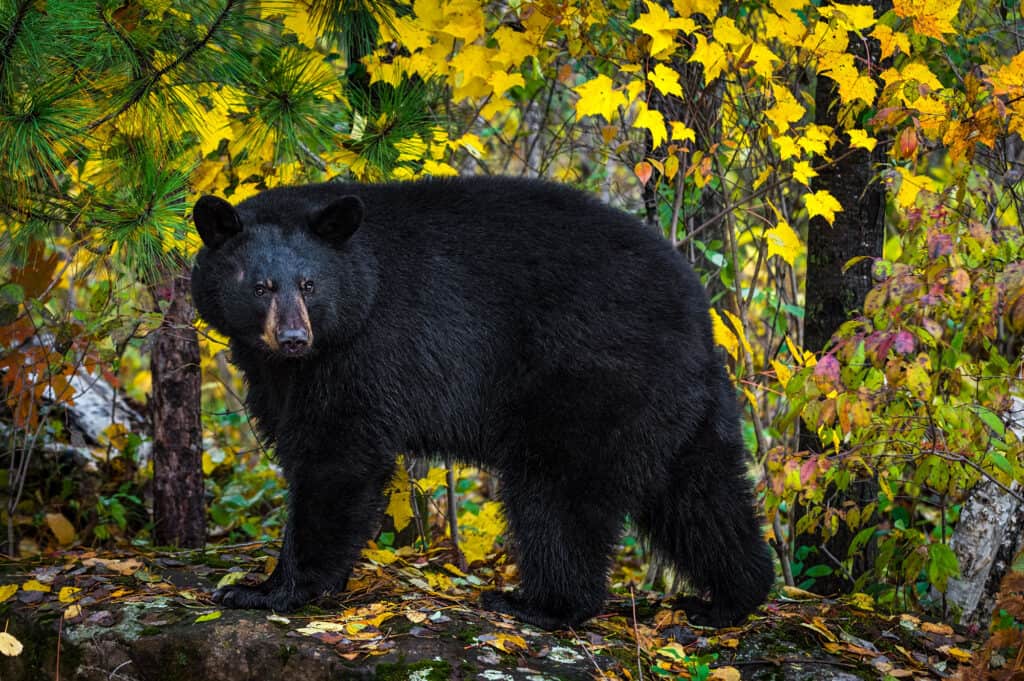
Bear Species Once Native to Nebraska
Until the 1800s, Nebraska’s forests and river valleys were home to both American black bears (Ursus americanus) and grizzly bears (Ursus arctos horribilis).
- Black bears are smaller, with smooth, straight-faced profiles and short claws averaging about 1.5 inches.
- Grizzlies, by contrast, feature a distinct shoulder hump, long claws up to 4 inches, and a dished face.
Black bears in particular show striking color variations — from jet black to cinnamon, brown, and even blonde — similar to the 2008 bear’s reddish coat. Meanwhile, grizzlies were once found near Nebraska’s western border, particularly along rugged terrain near Wyoming and Colorado.
How Big Do Bears Get?
The 2008 bear was small compared to typical adult black bears, which usually weigh 90 to 500 pounds, with some reaching 700 pounds. Grizzlies are larger, averaging 400–800 pounds, and the biggest ever recorded topped 1,200 pounds.
Both species once roamed parts of Nebraska’s wooded river valleys, wetlands, and riparian zones, avoiding open grasslands due to lack of cover. The Missouri River region historically held the highest black bear populations, while grizzlies favored the western highlands.
Why Bears Vanished from the Plains
For centuries, Native American tribes such as the Omaha, Ponca, and Winnebago hunted bears for food, fur, and medicine — but populations remained stable. That changed rapidly with European settlement in the 1800s.
Overhunting, habitat loss, and deforestation eliminated bears from Nebraska by the early 20th century. By 1907, the species was considered extirpated, meaning extinct within the state but surviving elsewhere.
Since then, only a handful of bears — fewer than ten confirmed sightings — have wandered into Nebraska, almost all from neighboring Wyoming or South Dakota. Wildlife officials currently list the state’s official bear population at zero, though individual visitors still occasionally cross the border.
A State Rediscovering Its Wild Side
Despite Nebraska’s century-long gap in bear encounters, conservationists say the 2008 sighting symbolizes a possible return of rare species to their historic ranges. Occasional reports of young black bears passing through the Pine Ridge region suggest that as surrounding states expand their wildlife protections, Nebraska may again see traces of its wilderness past.
While residents are unlikely to find bears in the wild today, the story of the 2008 Harrison bear remains a reminder of the state’s hidden natural heritage — and how even in the heart of America’s farmland, nature still finds its way back.
Nebraska continues to monitor wildlife corridors and cross-border migrations closely, ensuring that if the next bear steps into the state, it’s recorded not as an intruder — but as a long-lost native returning home.
For more wildlife stories and conservation updates from across the Midwest, visit NapervilleLocal.com, where nature, history, and community come together in every story.

I’ve lived in Naperville long enough to see how quickly our community changes — from new developments downtown to sudden shifts in our Midwest weather. Reporting on Naperville news and daily forecasts gives me the chance to keep neighbors informed about what really matters. My goal is simple: deliver clear, timely updates so you always know what’s happening in our city and what to expect from the skies above.